Setting Up Your Portable Sewing Machine: Tips and Tricks

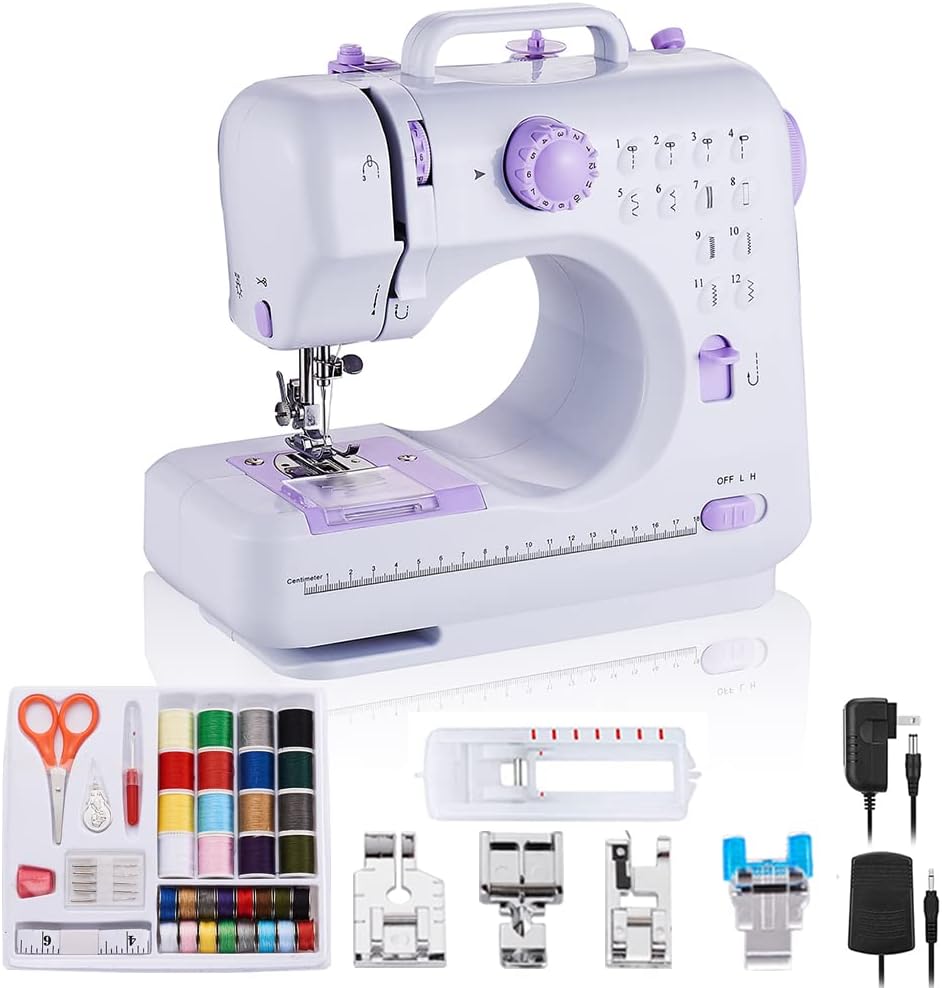
Setting up your portable sewing machine can seem daunting, especially if you’re a beginner. However, with the right tips and tricks, you can streamline the process and start sewing with confidence. This guide will walk you through the essential steps to efficiently set up your sewing machine and get you on your way to creating amazing projects.
Choosing the Right Workspace
Finding the perfect workspace is crucial for setting up your portable sewing machine efficiently. Look for a flat, sturdy surface with adequate lighting. A table or desk that is at a comfortable height will prevent strain on your back and arms, making your sewing experience enjoyable. Ensure that your workspace is free from clutter to keep distractions at bay.
Consider using a cutting mat or a protective sheet to cover the surface where you’ll be working. This will not only protect your table but also provide a designated area for cutting fabric. Additionally, keeping your sewing supplies organized nearby can help you access everything you need without interruption.
Unboxing Your Sewing Machine
Carefully unbox your portable sewing machine and examine all the components. Make sure you have everything that comes with your machine, including the foot pedal, power cord, and any additional accessories such as needles and bobbins. Familiarizing yourself with these parts will make the setup process smoother.
Once you’ve unpacked everything, read through the manufacturer’s manual for any specific instructions related to your machine. Each model may have unique features and settings, so understanding how your machine operates will help you avoid any potential issues.
Setting Up the Machine
To set up your portable sewing machine, start by placing it on your chosen workspace. Plug in the power cord and connect the foot pedal. Make sure the machine is stable and secure, as an unstable setup can lead to inaccuracies in your stitching.
Next, thread the machine according to the instructions provided in the manual. This typically involves winding the bobbin, inserting it into the bobbin case, and threading the upper tension. Take your time with this step, as proper threading is essential for smooth operation.
Adjusting Tension Settings
Tension settings play a vital role in achieving quality stitches. Your sewing machine should have a tension dial that allows you to adjust the thread tension based on the type of fabric you’re using. Different fabrics require different tension settings to prevent puckering or loose stitches.
If you’re unsure about the correct tension, start with a medium setting and test it on a scrap piece of fabric. Adjust the tension as needed until you achieve the desired stitch quality. This trial and error method is an excellent way to get accustomed to your machine.
Understanding Your Stitches
Portable sewing machines typically come with various built-in stitch options, allowing for versatility in your projects. Familiarize yourself with the different stitch types available on your machine. Common stitches include straight, zigzag, and decorative patterns, each serving unique purposes.
Take some time to practice each stitch on scrap fabric. This will help you understand how they behave and when to use them. Knowing which stitch to use for specific projects will enhance your sewing skills and improve the outcome of your creations.
Utilizing Accessories
Your portable sewing machine likely comes with several accessories that can enhance your sewing experience. Accessories can include various presser feet, additional needles, and even a seam ripper. Learning how to use these tools effectively can make your sewing projects easier and more enjoyable.
Common Accessories to Explore:
- Zipper foot for attaching zippers
- Buttonhole foot for creating buttonholes
- Walking foot for quilting and thick fabrics
- Edge guide foot for precise seam allowances
Experiment with these accessories to see how they can improve your sewing techniques. Incorporating them into your routine will not only make tasks easier but also expand the range of projects you can tackle.
Maintaining Your Machine
Regular maintenance is key to keeping your portable sewing machine in optimal condition. Dust and lint can accumulate inside the machine, which may lead to operational issues if not addressed. Make it a habit to clean your machine after each project, using a small brush or compressed air to remove debris.
Additionally, oiling your machine according to the manufacturer’s instructions will help keep the internal parts running smoothly. Regular maintenance can extend the life of your sewing machine and ensure that it operates at peak performance for all your sewing needs.
Practicing Your Skills
The best way to become proficient with your portable sewing machine is through practice. Start with simple projects that allow you to get comfortable with operating the machine and using different stitches. As you gain confidence, you can gradually move on to more complex designs.
Consider joining a local sewing group or taking beginner sewing classes. This can provide valuable hands-on experience, and you’ll have the opportunity to learn from others. Engaging with fellow sewing enthusiasts can also be an excellent source of inspiration for your next project.
Where to start
With your portable sewing machine set up and ready to go, it’s time to dive into your first project. Start with something simple like a pillowcase or a tote bag to get a feel for how your machine operates. These projects allow for practice with straight stitching and basic construction techniques without overwhelming you.
Remember to enjoy the process! Sewing can be a delightful form of self-expression and creativity. Embrace the learning curve, and don’t hesitate to reach out for help or guidance from more experienced sewists along the way.
From our shelves
- Handheld Sewing Machine for Beginners & Adults, Portable Stitch Gun with 2-Speed Control
- Rxmeili Portable 12-Stitch Sewing Machine, 42-Pc Sewing Kit for Beginners
- Handheld Sewing Machine for Beginners Adults, Portable Hand Sewing Machine with 42-Piece Kit & Storage Bag
Browse the Sewing Machines range, or see everything in stock. Questions about what suits your setup? Talk to us or read the FAQ.