How to Use Sewing Machine Oil for Longevity

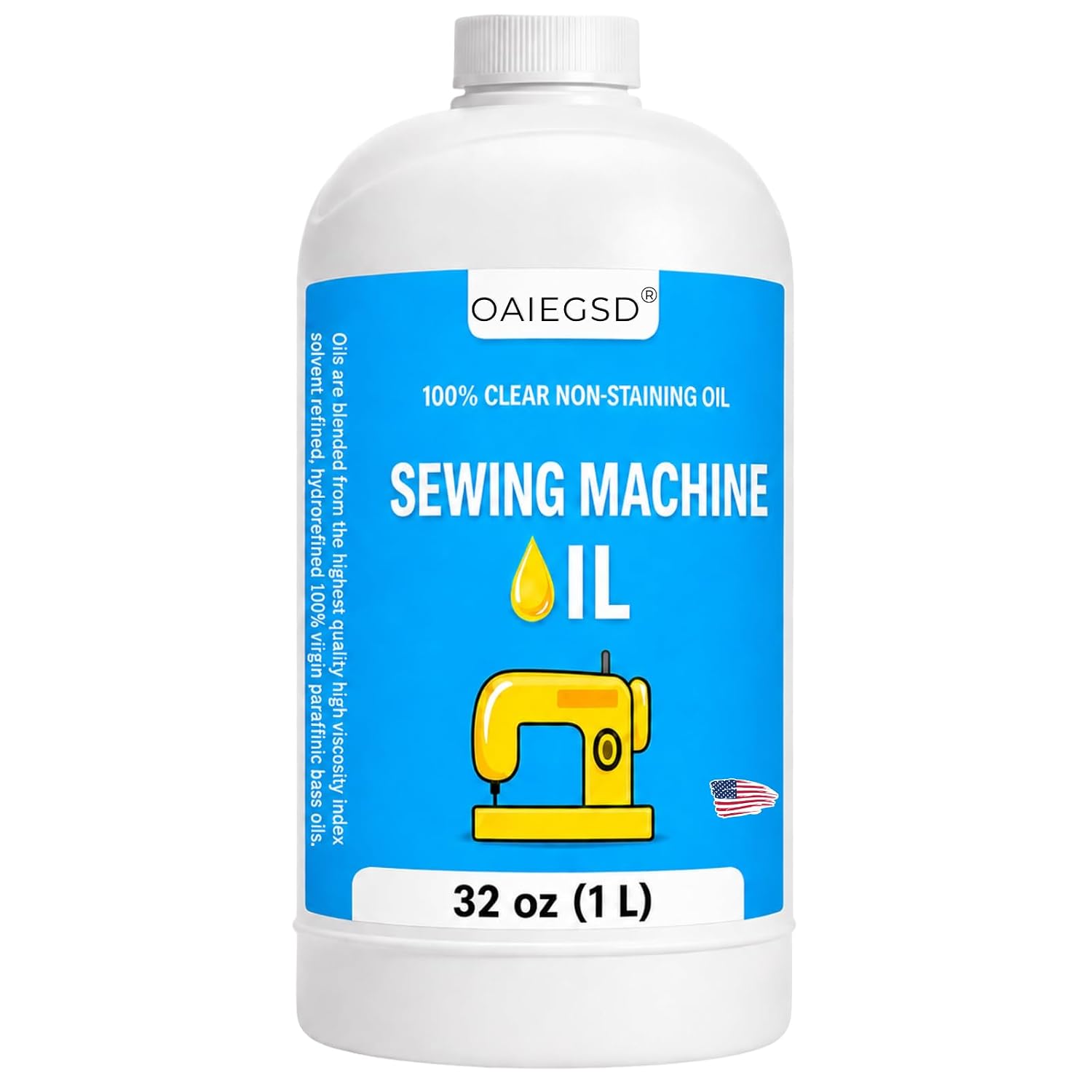
Using sewing machine oil is crucial for keeping your machine in top shape and ensuring it runs smoothly for years to come. Regular lubrication not only enhances performance but also extends the lifespan of your sewing machine. In this guide, we’ll walk you through best practices for using sewing machine oil effectively.
Understanding Sewing Machine Oil
Sewing machine oil is typically made from high-quality mineral oil designed to minimize friction between moving parts. Unlike general-purpose oils, sewing machine oil is refined to be lightweight and clear, which helps prevent gumming and buildup in your machine. Selecting the right oil is essential for optimal performance and longevity.
There is a variety of sewing machine oils available, including clear and odorless options like OAIEGSD 32oz Fine Light Sewing Machine Oil, which is ideal for general lubrication. Always choose oils specifically formulated for sewing machines to prevent damage and ensure smooth operation.
When to Oil Your Sewing Machine
Regular maintenance is vital for your sewing machine, and knowing when to apply oil can make a significant difference in performance. A good rule of thumb is to oil your machine every five to ten hours of use. If you notice any unusual noises or stiffness in the machine’s movement, it’s time for lubrication.
Additionally, after a long period of storage or if you’ve recently completed a large project, applying oil can help prepare your machine for future sewing. This preventive measure can save you from larger repairs down the line.
How to Properly Apply Oil
Applying oil correctly is just as important as using the right type. Start by turning off your sewing machine and unplugging it for safety. Remove the needle and presser foot to gain access to the moving parts that need lubrication.
Using a fine spout oil can help you pinpoint the areas that need lubrication. Apply a small amount of oil to the designated spots, typically outlined in your machine’s manual. It’s essential to avoid over-oiling, as excess oil can attract dust and lint, causing more issues.
Essential Areas to Lubricate
There are several key areas in your sewing machine that require lubrication. Understanding these locations can help you maintain your machine effectively. Here are the main spots to focus on:
Key Areas to Oil:
- Bobbin case
- Needle bar
- Feed dogs
- Hook assembly
- Stitch plate
Be sure to consult your sewing machine manual for specific lubrication points, as some machines may vary in their design and oiling requirements. Regularly checking these areas can help you catch any wear and tear early.
Benefits of Regular Oiling
Regularly oiling your sewing machine provides multiple advantages. First and foremost, it reduces friction, allowing parts to move freely and efficiently. This leads to smoother stitching and better overall performance, enhancing your sewing experience.
Additionally, regular maintenance through oiling can help prevent corrosion and wear on internal components. This not only saves you money on costly repairs but also extends the life of your sewing machine substantially.
Signs Your Machine Needs Oiling
While regular maintenance is essential, some signs can indicate that your sewing machine requires immediate attention. If you hear unusual noises like grinding or squeaking, or if you notice a decrease in stitching quality, it may be time to apply oil.
Another clear indicator is resistance when you turn the handwheel. If it feels stiff or difficult to turn, lubrication can help restore smooth movement. Pay attention to these signs to keep your machine in optimal condition.
Choosing the Right Sewing Machine Oil
When selecting sewing machine oil, consider the formulation and packaging that best suits your needs. For instance, the Premium Sewing Machine Oil with Zoom Spout Oiler is convenient for precise application. This flexibility allows you to reach tight spots easily.
Look for oils that are specifically marketed for sewing machines, as these are designed to provide the best results. Options like OAIEGSD 1oz Fine Light Sewing Machine Oil come with applicators for pinpoint accuracy, making it easier to maintain your machine’s health.
Storing Your Sewing Machine Oil
Proper storage of your sewing machine oil is also essential. Keep it in a cool, dry place away from direct sunlight, as exposure can degrade the oil’s quality. Ensure the cap is tightly sealed to prevent contamination.
It’s advisable to keep the oil bottle with your sewing supplies, so it’s easily accessible whenever you need it. Having it on hand encourages regular maintenance, which is key for keeping your sewing machine in prime condition.
Where to Start
If you’re new to oiling your sewing machine, begin by reviewing your machine’s user manual for specific instructions. Familiarize yourself with the parts that require lubrication and gather your supplies, including your chosen sewing machine oil.
Set aside time for maintenance every few projects or at least once a month. With consistent care and attention to detail, you’ll enjoy a smoother sewing experience and prolong the life of your machine.
From our shelves
- OAIEGSD 32oz Fine Light Sewing Machine Oil and Lubricant, Clear & Odorless
- Premium Sewing Machine Oil with Zoom Spout Oiler | 4FL OZ of Stainless Lily White Oil with Flexible
- OAIEGSD 1oz Fine Light Sewing Machine Oil and Lubricant with Applicator
Browse the Machine Oil and Lubricants range, or see everything in stock. Questions about what suits your setup? Talk to us or read the FAQ.